김미숙 KIM Misook
母、時間の告白
老年に差し掛かり、股関節の手術で入院した後、認知症の症状も加速し、母はあれほど帰りたがっていた家へ二度と戻ることができなくなった。療養病院に入院して一年ほど経った頃、母の家を片付けるために姉妹たちが集まった。ゆっくりとした足取りでも急ぐように歩み寄り、私たちを迎えてくれていた母の姿はもはやそこにはなく、その見慣れない空気が現実としてそこにあった。 金の縁取りが剥がれた茶碗のふち、役目を終え文机の上に置かれたままの老眼鏡、きちんと畳まれていながら温もりを失ったタオル。物だけが機能を失ったままその場にとどまり、逆説的に、そこに確かに存在していた母の気配をより鮮明に示していた。数えきれないほどの手が触れてきた場所には、時間の層が指紋のように刻まれ、色褪せた物の表面は母が生きてきた時間の地図のような模様を宿したまま静かに置かれていた。 静寂の上に降り積もる埃と、宿命のようにあらわれる物の痕跡の中で、私は「母」である以前に、一人の女性として生きてきた人間の時間を見つめる。そこには、泣き、笑いながら世界と関わってきた一つの存在の軌跡が積み重なっている。私はそれらの摩耗した痕跡を、レンズを通して可視的な平面へと写し取ろうとした。 七人家族の食事を用意するたびに使われていたニンニク用のすりこぎの、擦り減り、削れ、ひび割れた隙間は、誰にも顧みられることのなかった小さくも最も偉大な存在の証であった。母の代わりに空き家を満たしている物の中で、私は不在がむしろ存在を証明するというアイロニーと向き合い、そこに幾重にも積み重なった時間を記録した。そしてその中で、低くささやく母の告白を聞いた。
엄마, 시간의 고백
노령에 접어들어 고관절 수술로 병원에 입원한 이후, 치매 증상까지 가속되며 엄마는 그토록 돌아가고 싶어 하던 집으로 다시 돌아가지 못하게 되었다. 요양병원에 입원한 지 1년쯤 되었을 때, 엄마의 집을 정리하기 위해 자매들이 모였다. 늘 느 린 걸음으로도 서둘러 걸어와 우리를 반갑게 맞이하던 엄마의 모습은 더 이상 보이지 않았고, 그 낯선 공기가 이제는 현실 로 자리하고 있었다. 금장이 벗겨진 찻잔의 테두리, 더 이상 쓸 일이 없어진 채 문갑 위에 놓인 돋보기, 반듯하게 접혀 있지만 온기를 잃은 수건 들. 사물들만이 기능을 상실한 채 제자리에 머물며, 역설적으로 그곳에 존재했던 엄마를 더욱 선명하게 증명하고 있었다. 셀 수 없이 많은 손길이 지나간 자리에는 시간의 결이 지문처럼 새겨져 있었고, 색이 바랜 사물들의 표면은 엄마가 살아온 시간의 지도를 닮은 무늬를 품은 채 고요히 놓여 있었다. 정적 위에 내려앉은 먼지와 숙명처럼 드러나는 사물의 흔적들 속에서, 나는 ‘엄마’이기 이전에 한 여성으로서 살아온 한 인 간의 시간을 마주하게 된다. 그 안에는 한 존재가 울고 웃으며 세상과 맺어온 수많은 관계의 결과가 담겨 있다. 나는 이처 럼 마모된 흔적들을 렌즈를 통해 가시적인 평면으로 옮겨내고자 했다. 일곱 식구의 끼니를 준비할 때마다 사용되었던 마늘 절굿공이의 닳고 깎이고 갈라진 틈은, 세상이 주목하지 않았던 작지만 가장 위대한 존재에 대한 조용한 증명이었다. 엄마 대신 빈 집을 채우고 있는 사물들 속에서, 나는 부재가 오히려 존재를 증명하는 아이러니를 마주하며 그 안에 켜켜이 쌓인 시간을 기록했다. 그리고 그 속에서 낮게 속삭이는 엄마의 고백을 들 었다.
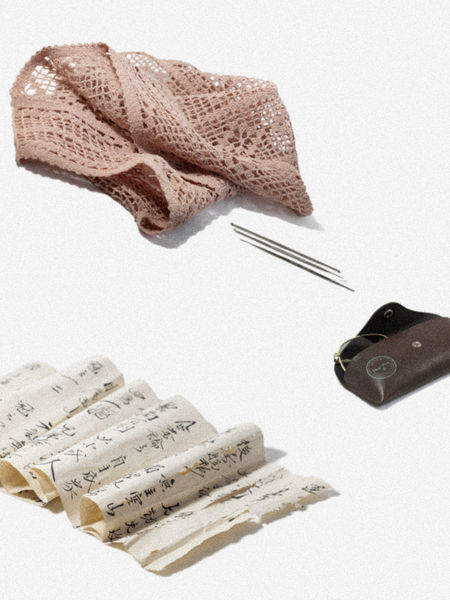
Mother’s Belongings #1
2026, 70 × 52.5 cm, Archival Pigment Print on Hanji

Mother’s Belongings #4
2026, 70 × 52.5 cm, Archival Pigment Print on Hanji